


About
Dr. Lynnette Magasa
Dr Lynnette Magasa is a seasoned entrepreneur, business leader, and mentor with over 20 years’ experience across engineering, telecommunications, and enterprise development. A mother of three, her journey from humble beginnings to leading an internationally recognised group of companies informs her work
in supporting entrepreneurship programmes and founder development initiatives across Africa.
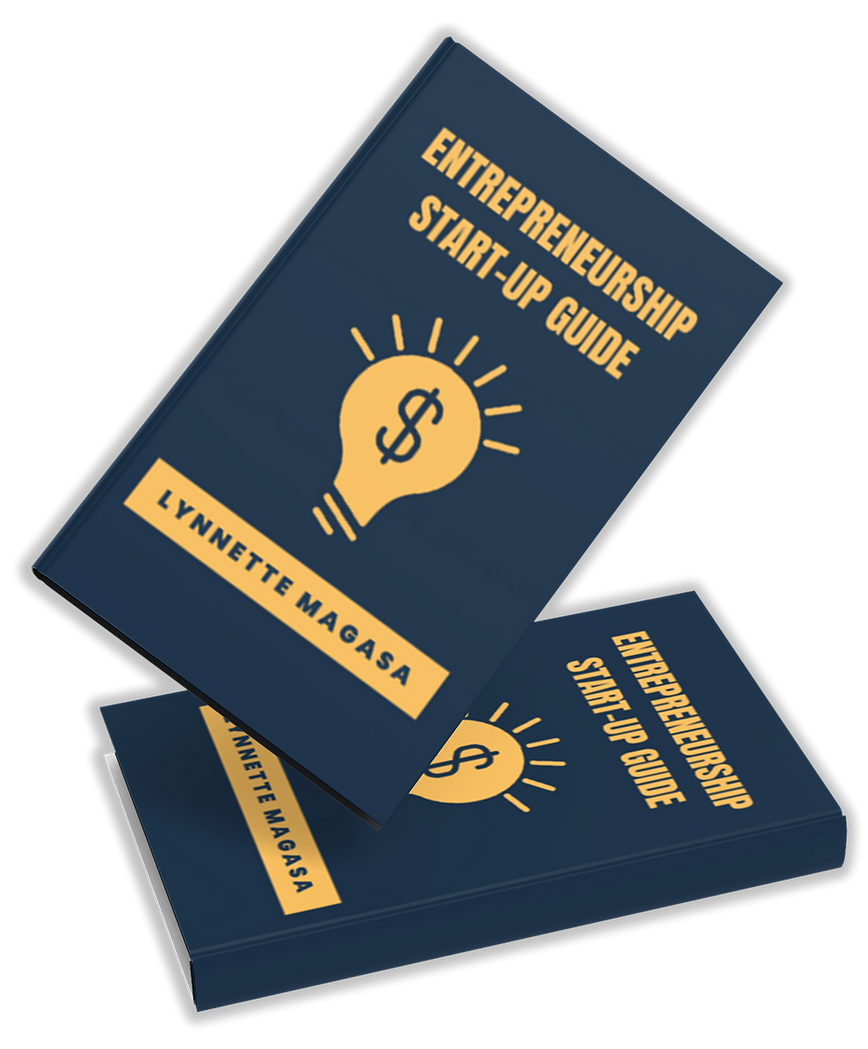
Her Entrepreneurship Start-Up Guide is a practical resource used by entrepreneurs, development programmes, and organisations committed to building resilient, disciplined business leaders.
.png)


Trusted by
Organisations Delivering
Entrepreneurial Development


The Entrepreneurship
Start-Up Guide Framework
Built from real entrepreneurial experience - not theory, trends, or motivational slogans.
01
FOUNDATION &
RISK AWARENESS
Understanding the reality before the risk
This pillar grounds entrepreneurs in the fundamentals that matter most before taking on growth, scale, or bigger opportunities. It helps founders think clearly, plan realistically, and build with intention from day one.
It draws on:
-
My Entrepreneurial Journey - real lessons from building and leading over two decades
-
Mistakes - what costs founders time, money, and momentum
-
Entrepreneurship - what it truly demands, beyond the title
This stage supports better decisions early on - reducing the costly mistakes that derail many start-ups before they find stability.
02
RESILIENCE
IN PRACTICE
Learning how to survive the fall
Entrepreneurship is rarely linear. This pillar focuses on what happens when pressure rises, plans shift, and setbacks test your mindset, leadership, and ability to keep moving forward with purpose.
It explores:
-
The Fall - failure, cash-flow pressure, and demonstrations of risk
-
Resilience - how entrepreneurs recover, adapt, and continue
Instead of motivational slogans, the book offers practical insight into how experienced founders respond to setbacks and rebuild stronger when conditions change.
.
03
EXECUTION &
SUSTAINABLE GROWTH
Building for longevity, not just momentum
The final pillar focuses on execution - turning lessons into action and ensuring progress is structured, disciplined, and built to last. It supports entrepreneurs who want sustainable results, not short-term wins.
It centres on:
-
Innovation - solving real problems and improving what already exists
-
Calibration - knowing when to pause, reassess, and realign
Readers are guided through real-world thinking around systems, leadership, and long-term value creation - helping growth remain intentional, stable, and durable.

Entrepreneurship
Start-Up Guide
Entrepreneurship Start-Up Guide is not a textbook, a motivational speech, or a theory-driven manual.
It is an honest, experience-based guide drawn from real business journeys - the wins, the mistakes, the falls, and the recoveries that define true entrepreneurship.
Written from lived experience, the book addresses the realities faced by entrepreneurs operating in challenging environments: cash-flow pressure, leadership fatigue, discipline, resilience, failure, and the responsibility that comes with building organisations that sustain livelihoods.
This book is widely used in entrepreneurial development programmes as a grounded, practical resource for founders at early, growth, and recalibration stages.
Purchase the
Entrepreneurship Start-Up Guide
Choose the format that suits your preference


Reader Testimonials
Thabo Mkhize
Entrepreneur

“This book speaks to the realities of entrepreneurship that are often left out of training programmes. It doesn’t romanticise the journey - it prepares you for it. The lessons on discipline, resilience, and decision-making are practical and deeply relatable."
Naledi Khumalo
Programme Manager - ESD

“Entrepreneurship Start-Up Guide has become a valuable resource in our development work. It provides honest insight grounded in real experience, which resonates strongly with entrepreneurs navigating early-stage and growth challenges.”
Sipho Dlamini
Small Business Owner

“What stood out for me was the honesty. The book addresses failure, pressure, and leadership responsibility in a way that feels real and applicable. It helped me reflect on my own approach to business and make better, more informed decisions.”